
What Is Postpartum Hypertension?
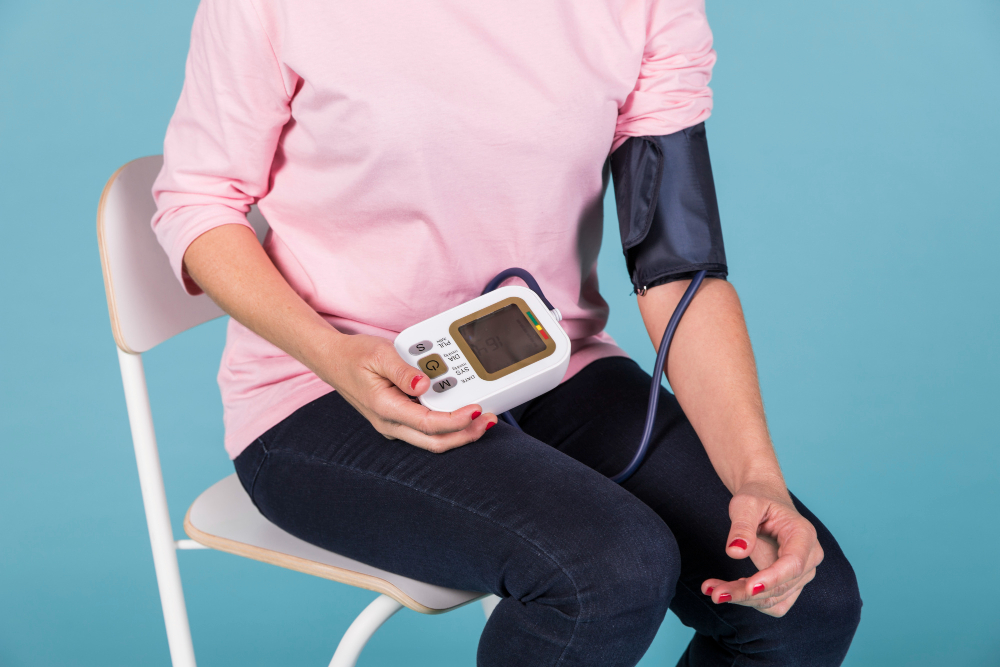
Postpartum hypertension means high blood pressure after giving birth. This condition can develop within days or weeks after delivery. Sometimes, it can appear even if you had normal blood pressure during pregnancy. Because postpartum hypertension can lead to serious health problems, it is important to know the risk factors. Early detection and care can help prevent complications.
Why Understanding Risk Factors Matters
Knowing the risk factors for postpartum hypertension helps you stay alert. If you understand what puts you at risk, you can take steps to protect your health. For example, you may notice symptoms sooner or seek help faster. In addition, your doctor can watch you more closely if you have certain risks. This can lower your chance of serious problems, such as stroke or organ damage.
Main Risk Factors for Postpartum Hypertension
Several things can raise your risk of developing high blood pressure after childbirth. Below are the main risk factors:
How to Lower Your Risk
Although some risk factors cannot be changed, you can still take steps to lower your risk. For example, you can:
Moreover, talking to your healthcare provider about your personal risk can help you make a plan. They may suggest extra monitoring or lifestyle changes to keep you safe.
When to Seek Medical Help
It is important to know when to call your doctor. Seek medical help right away if you notice:
These symptoms may signal high blood pressure or other serious problems. Early treatment can prevent complications.
In summary, knowing the risk factors for postpartum hypertension can help you stay healthy after childbirth. If you have concerns or notice symptoms, consult a healthcare specialist for personalized advice on postpartum hypertension risk factors.