
Introduction
Laparoscopic hysterectomy is a minimally invasive hysterectomy procedure. Doctors use it to remove the uterus through small cuts in the belly. This surgery helps treat several women’s health problems. Because it uses tiny tools and a camera, recovery is often faster than with open surgery. Many women choose this option for less pain and a quicker return to daily life.
Symptoms and Conditions Leading to Laparoscopic Hysterectomy
Doctors may suggest a laparoscopic hysterectomy for different reasons. Often, women have symptoms that do not improve with other treatments. For example, you may need this surgery if you have:
Sometimes, other treatments do not work. In these cases, your doctor may recommend a minimally invasive hysterectomy procedure.
How the Procedure Is Performed
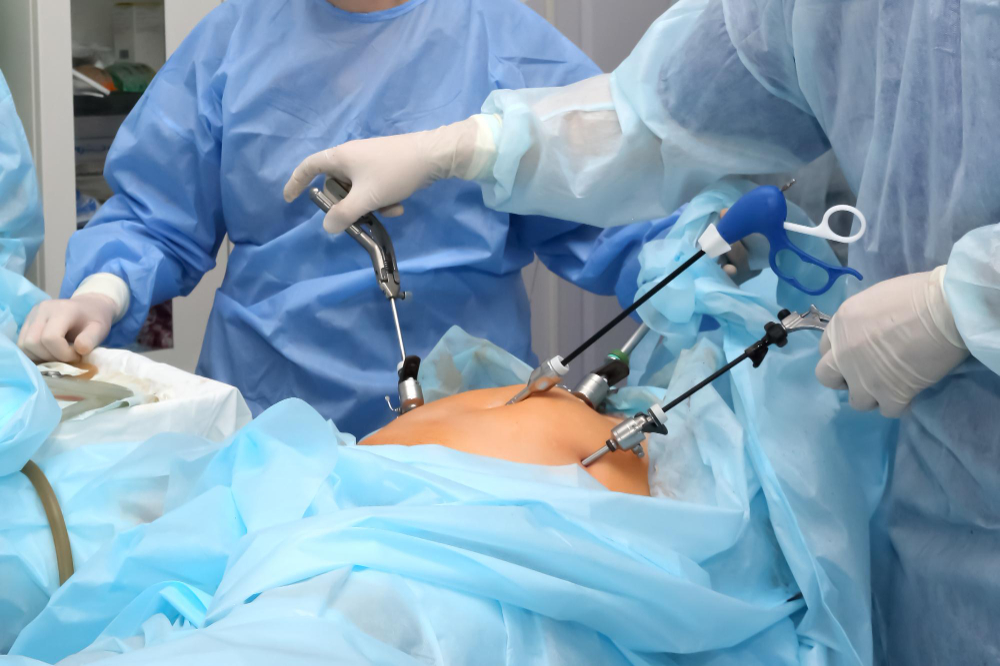
First, you will get anesthesia, so you sleep during surgery. Next, the doctor makes a few small cuts in your belly. Through one cut, a thin tube with a camera (laparoscope) goes in. This camera helps the doctor see inside your body. Then, special tools are placed through the other cuts. The doctor carefully removes the uterus. Sometimes, the ovaries or fallopian tubes are also removed. Finally, the uterus is taken out through the vagina or one of the small cuts. The cuts are closed with stitches or glue. Most women go home the same day or the next day.
Benefits of Laparoscopic Hysterectomy
Laparoscopic hysterectomy offers many advantages over open surgery. For instance, you may notice:
Because the cuts are small, healing is usually quicker. According to the CDC and peer-reviewed studies, most women recover faster with this method.
Risks and Potential Complications
Although laparoscopic hysterectomy is safe, every surgery has risks. Some possible risks of laparoscopic hysterectomy include:
However, serious problems are rare. Your doctor will discuss these risks with you before the procedure. The World Health Organization notes that minimally invasive surgery often has fewer complications than open surgery.
Recovery Process and Aftercare Tips
After a laparoscopic hysterectomy, most women recover in two to four weeks. However, everyone heals at their own pace. To help your recovery after laparoscopic hysterectomy, follow these tips:
If you notice fever, heavy bleeding, or severe pain, contact your doctor right away. With proper care, most women return to normal life soon after surgery.
Prevention and Lifestyle Guidance
While you cannot always prevent the need for a hysterectomy, you can take steps to support your health. For example, regular check-ups help catch problems early. Eating a balanced diet and staying active may lower your risk for some conditions. If you have symptoms like heavy bleeding or pain, see your doctor early. Early treatment can sometimes prevent the need for surgery.
Conclusion
Laparoscopic hysterectomy is a safe and effective option for many women. It offers a quicker recovery and fewer risks than open surgery. Still, every woman’s needs are different. Consult a gynecologist for personalized advice on laparoscopic hysterectomy.