
What Are Menstrual Disorders?
Menstrual disorders are problems related to your monthly period. For example, you may have heavy bleeding, missed periods, or spotting between cycles. These issues can affect your daily life. In many cases, they may also signal changes in your body. During perimenopause, menstrual disorders become more common. Therefore, it is important to understand what to expect.
Understanding Perimenopause
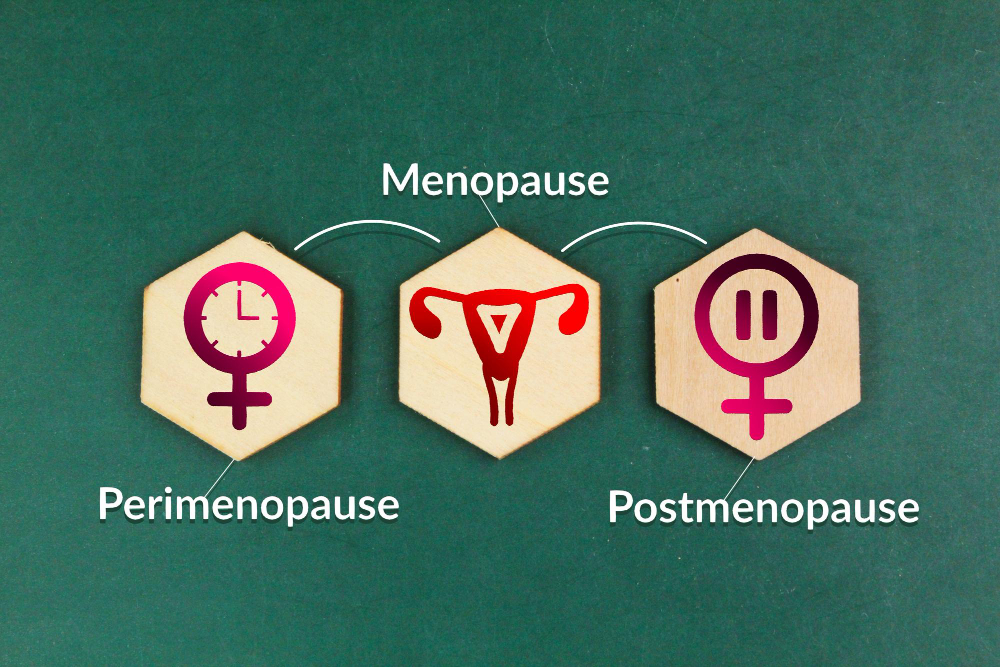
Perimenopause is the time before menopause. It usually starts in your 40s, but it can begin earlier for some women. During this stage, your body makes less estrogen. As a result, your periods may change. Eventually, perimenopause ends when you have not had a period for 12 months. This marks the start of menopause.
How Perimenopause Affects Menstrual Cycles
During perimenopause, your periods may become less regular. For instance, you might notice longer or shorter cycles. Sometimes, you may skip a period. At other times, your flow may be heavier or lighter than usual. Because hormone levels change, these shifts are common. Many women experience irregular periods in perimenopause.
Common Symptoms and Signs
Many women notice changes in their periods during perimenopause. Some common symptoms include:
In addition, you may have other symptoms, such as hot flashes or mood changes. However, these are not always linked to your period.
Causes and Risk Factors
Hormone changes are the main cause of perimenopausal menstrual changes. As estrogen and progesterone levels shift, your body reacts. However, other factors can also play a role. For example:
Because each woman is different, symptoms can vary widely. Some women may have only mild changes, while others notice more severe symptoms.
Diagnosis and When to Seek Help
Doctors use your medical history and symptoms to diagnose menstrual disorders during perimenopause. Sometimes, they may order blood tests to check hormone levels. In some cases, they may suggest an ultrasound to look at your uterus. If you have very heavy bleeding, bleeding between periods, or periods that last longer than seven days, see your doctor. Also, seek help if you feel weak, dizzy, or have severe pain.
Treatment Options
Treatment depends on your symptoms and health needs. For mild symptoms, you may not need treatment. However, if your symptoms are severe, your doctor may suggest:
In rare cases, surgery may be needed. Your doctor will help you choose the best option.
Lifestyle Tips for Managing Symptoms
Simple lifestyle changes can help you manage perimenopausal menstrual changes. For example:
Because every woman is unique, some tips may work better for you than others.
Prevention and Self-Care
While you cannot prevent perimenopause, you can take steps to support your health. For instance, regular check-ups help catch problems early. In addition, avoid smoking and limit alcohol. If you notice unusual changes, talk to your doctor. Early care can make a big difference.
In summary, menstrual disorders during perimenopause are common. However, help is available. Consult a gynecologist for personalized advice on menstrual disorders during perimenopause.