
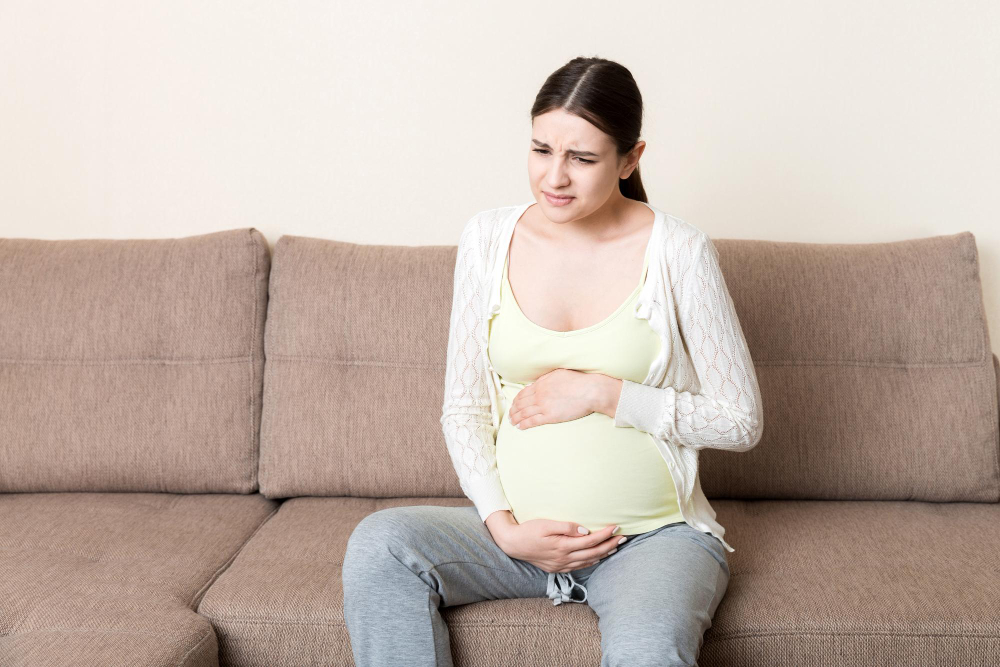
What is a High-Risk Pregnancy?
A high-risk pregnancy is when a mother or baby has a higher chance of health problems before, during, or after birth. Doctors use the term “high-risk pregnancy” when extra care is needed to keep both mother and baby safe. Because some pregnancies need more attention, knowing who is at risk helps families prepare and seek the right care.
For example, some women may have health conditions or other factors that make their pregnancy more complicated. In these cases, doctors watch closely and may suggest special tests or visits. Understanding high-risk pregnancy care is important for a healthy outcome.
Who is at Risk?
Many things can increase the chance of a high-risk pregnancy. However, not all risks mean there will be problems. Still, knowing the risk factors for high-risk pregnancy helps families and doctors plan ahead.
Because each woman is different, doctors look at the whole picture before deciding if extra care is needed.
Why Extra Care is Needed
High-risk pregnancy care is important because it helps prevent or catch problems early. For instance, some women may develop pregnancy complications like preeclampsia (high blood pressure during pregnancy), early labor, or problems with the baby’s growth. These issues can affect both mother and baby.
With extra care, doctors can monitor the health of both. They may suggest more check-ups, special tests, or treatments. As a result, many problems can be managed before they become serious. According to the CDC, regular care lowers the risk of severe outcomes for mothers and babies.
How High-Risk Pregnancies are Managed
Managing high-risk pregnancy involves careful planning and regular visits. Doctors may use special tests to check the baby’s growth and mother’s health. For example, they might do more ultrasounds or blood tests.
In some cases, doctors may suggest seeing a specialist. For those living in cities, high-risk pregnancy care in your area may offer extra support and resources.
Tips for Expectant Mothers
Even with risk factors, many women have healthy pregnancies. However, following good habits can make a big difference. Here are some tips for managing high-risk pregnancy:
Because every pregnancy is unique, always talk to your doctor about your personal risks and needs. Early action can help prevent many problems.
Conclusion
In summary, high-risk pregnancy means some mothers and babies need extra care to stay healthy. Knowing the risk factors and following your doctor’s advice can help ensure the best outcome. If you have concerns or think you may be at risk, consult a qualified obstetrician or gynecologist for personalized guidance on high-risk pregnancy care.