
Tag: Health

  • Male Fertility Testing: What Men Should Know

    Male Fertility Testing: What Men Should Know

    Introduction

    Male fertility testing helps men and couples understand their ability to have children. Many people think only women need fertility tests. However, male fertility testing is just as important. In fact, about one-third of fertility problems are linked to men, according to the World Health Organization (WHO). Knowing about male fertility testing can help you take the right steps early. This blog explains the male fertility test process, why it matters, and what men should expect.

    What Is Male Fertility Testing?

    Male fertility testing is a set of tests that check a man’s ability to father a child. These tests look at sperm health, hormone levels, and other factors. Because fertility issues can affect both partners, testing both men and women is important. Male fertility tests are safe, simple, and often done in a clinic or lab.

    Common Reasons for Male Fertility Testing

    There are several reasons why a doctor may suggest male fertility testing. For example, you may need testing if:

  • You and your partner have tried to get pregnant for over a year without success
  • You have a history of testicle injuries or surgeries
  • You have problems with erections or ejaculation
  • You have had cancer treatments, such as chemotherapy or radiation
  • Your doctor finds changes in your hormone levels
  • Sometimes, men want to check their fertility before starting a family. Early testing can help spot problems sooner.

    Types of Male Fertility Tests

    Doctors use several tests to check male fertility. The most common tests include:

  • Semen analysis: This test checks sperm count, shape, and movement. It is the main test for male fertility.
  • Hormone tests: Blood tests measure hormones like testosterone and FSH, which affect sperm production.
  • Genetic tests: These tests look for genetic causes of infertility.
  • Imaging tests: Ultrasound scans check for blockages or problems in the testicles or tubes.
  • Physical exam: The doctor checks for lumps, swelling, or other issues.
  • Each test gives important information about male infertility diagnosis.

    How to Prepare for a Fertility Test

    Proper male fertility test preparation helps get accurate results. Here are some tips:

  • Follow your doctor’s instructions closely
  • Avoid ejaculation for 2-5 days before a semen analysis
  • Do not drink alcohol or use drugs before testing
  • Tell your doctor about any medicines or supplements you take
  • Stay hydrated and get enough sleep
  • Because preparation can affect results, always ask your doctor if you have questions.

    What to Expect During Testing

    During male fertility testing, you may feel nervous. However, the process is simple and private. For a semen analysis, you will provide a sample at the clinic or at home. The sample is then sent to a lab. Blood tests are done with a small needle. Imaging tests, like ultrasound, are painless and quick. Most tests take less than an hour. Your doctor will explain each step before starting.

    Understanding Test Results

    After testing, your doctor will review the results with you. Here is what the results may show:

  • Normal results: Sperm count, shape, and movement are healthy
  • Low sperm count: Fewer sperm than normal
  • Poor sperm movement: Sperm do not swim well
  • Abnormal shape: Sperm look different from normal
  • Hormone problems: Hormone levels are too high or too low
  • Sometimes, results may be unclear. In that case, your doctor may repeat the test or suggest more tests.

    Next Steps After Testing

    Once you have your results, your doctor will discuss treatment options. For example, you may need lifestyle changes, medicines, or procedures. Sometimes, doctors refer men to a fertility specialist for more help. Early action can improve your chances of having a child. Always ask questions if you do not understand your results.

    Tips for Supporting Male Fertility

    There are simple ways to support male fertility. Consider these tips:

  • Eat a balanced diet rich in fruits and vegetables
  • Exercise regularly, but avoid heavy lifting
  • Maintain a healthy weight
  • Do not smoke or use tobacco
  • Limit alcohol and avoid illegal drugs
  • Protect your testicles from injury
  • Manage stress with relaxation techniques
  • Because small changes can make a big difference, start healthy habits early.

    Frequently Asked Questions

  • Is male fertility testing painful? Most tests are not painful. Blood tests may cause mild discomfort.
  • How long do results take? Semen analysis results are usually ready in a few days.
  • Can lifestyle changes improve fertility? Yes, healthy habits can boost sperm health.
  • Do I need a referral for testing? In most cases, you can ask your doctor directly.
  • Is male infertility common? Yes, it affects about one in seven couples, according to the CDC.
  • Conclusion

    Male fertility testing is a key step for men and couples who want to have children. Early testing helps find problems and guide treatment. If you have concerns about your fertility, consult a fertility specialist for personalized advice and support.

  • Thin Endometrium and Infertility: Causes, Symptoms, Diagnosis, and Treatment

    Thin Endometrium and Infertility: Causes, Symptoms, Diagnosis, and Treatment

    What Is Thin Endometrium?

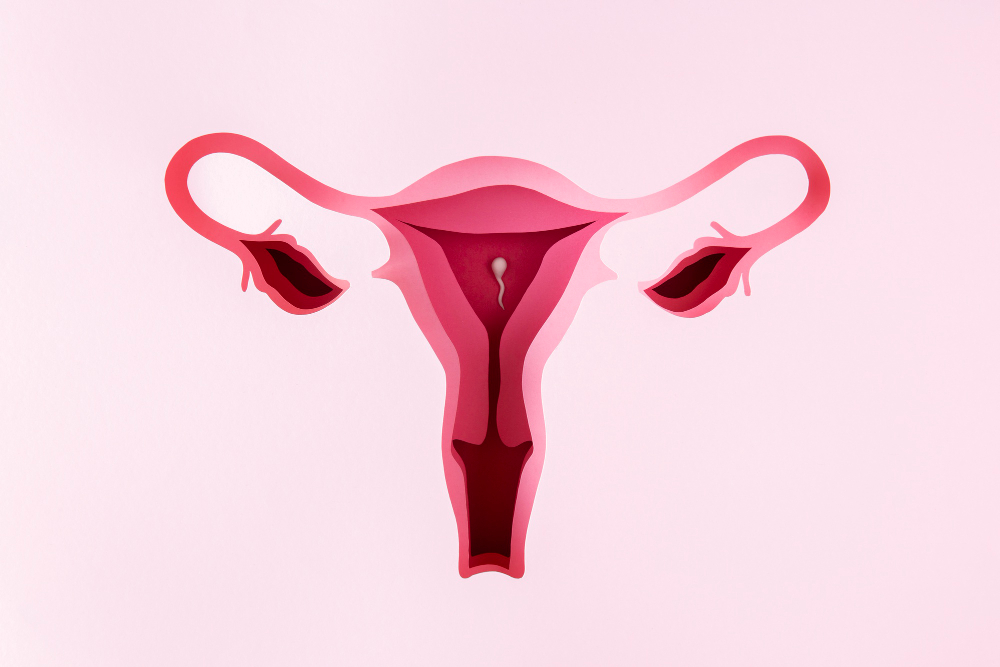
    The endometrium is the inner lining of the uterus. It thickens each month to prepare for a possible pregnancy. A thin endometrium means this lining is not thick enough. Usually, a healthy endometrial thickness is between 7 and 14 millimeters during the middle of the menstrual cycle. However, if the lining is less than 7 millimeters, it is often called a thin endometrium. This condition can affect a woman’s ability to get pregnant.

    How Does Thin Endometrium Cause Infertility?

    For pregnancy to happen, a fertilized egg must attach to the endometrial lining. If the lining is too thin, the egg may not implant well. As a result, this can lower the chances of pregnancy. In fact, studies show that women with a thin endometrial lining have lower success rates with fertility treatments. Therefore, thin endometrium and infertility are closely linked. Improving endometrial thickness can help increase the chances of pregnancy.

    Common Symptoms and Signs

    Often, thin endometrium does not cause clear symptoms. Still, some women may notice:

  • Light or short menstrual periods
  • Irregular cycles
  • Difficulty getting pregnant
  • Early pregnancy loss
  • However, these signs can also happen with other health issues. So, it is important to talk to a doctor if you notice these changes.

    Main Causes and Risk Factors

    Several factors can lead to a thin endometrial lining. Some common causes include:

  • Low estrogen levels
  • Previous uterine surgery or infection
  • Use of certain fertility drugs
  • Chronic inflammation of the uterus
  • Age, especially over 35
  • Smoking or poor blood flow to the uterus
  • Additionally, some women may have a naturally thin endometrium. Knowing the cause helps guide the right treatment.

    Diagnosis: How Thin Endometrium Is Detected

    Doctors use several methods to check endometrial thickness. Most often, a pelvic ultrasound is used. This test measures the lining during the menstrual cycle. Sometimes, a doctor may use a hysteroscopy. This is a small camera that looks inside the uterus. Blood tests may also check hormone levels. Early diagnosis helps in planning the best fertility treatment for thin endometrium.

    Treatment Options

    There are many ways to treat thin endometrium and improve endometrial thickness. Treatment depends on the cause. Options include:

  • Medications: Estrogen pills or patches can help thicken the lining. Sometimes, doctors use other hormones or blood flow medicines.
  • Procedures: In some cases, doctors may suggest a procedure to remove scar tissue from the uterus.
  • Lifestyle changes: Quitting smoking, eating a balanced diet, and regular exercise can help. Managing stress is also important.
  • Supplements: Some studies suggest that vitamin E, L-arginine, or aspirin may help, but always ask your doctor first.
  • For women trying to get pregnant, doctors may use special fertility treatments for thin endometrium, such as IVF with extra support for the lining.

    Prevention Tips and Lifestyle Guidance

    While not all cases can be prevented, some steps may lower the risk:

  • Maintain a healthy weight
  • Eat a diet rich in fruits, vegetables, and whole grains
  • Avoid smoking and limit alcohol
  • Manage stress through relaxation or gentle exercise
  • See your doctor for regular check-ups
  • Additionally, early treatment of infections or hormone problems can help protect the endometrial lining.

    When to See a Doctor

    If you have trouble getting pregnant or notice changes in your periods, see a doctor. Early care can help find and treat thin endometrium and infertility. Moreover, if you have had repeated pregnancy loss, talk to a fertility specialist. They can guide you on improving endometrial thickness and choosing the best treatment.

    In summary, thin endometrium and infertility can be managed with the right care. Consult a fertility specialist for personalized advice on thin endometrium and infertility.

  • High-Risk Pregnancy: Who Needs Extra Care and Why

    High-Risk Pregnancy: Who Needs Extra Care and Why

    What is a High-Risk Pregnancy?

    A high-risk pregnancy is when a mother or baby has a higher chance of health problems before, during, or after birth. Doctors use the term “high-risk pregnancy” when extra care is needed to keep both mother and baby safe. Because some pregnancies need more attention, knowing who is at risk helps families prepare and seek the right care.

    For example, some women may have health conditions or other factors that make their pregnancy more complicated. In these cases, doctors watch closely and may suggest special tests or visits. Understanding high-risk pregnancy care is important for a healthy outcome.

    Who is at Risk?

    Many things can increase the chance of a high-risk pregnancy. However, not all risks mean there will be problems. Still, knowing the risk factors for high-risk pregnancy helps families and doctors plan ahead.

  • Age: Women under 17 or over 35 have a higher risk.
  • Health Conditions: Diabetes, high blood pressure, or heart problems can raise risk.
  • Pregnancy Complications: Issues like early labor, twins, or past pregnancy problems matter.
  • Lifestyle Factors: Smoking, drinking alcohol, or using drugs can harm mother and baby.
  • Weight: Being very overweight or underweight can affect pregnancy health.
  • Infections: Some infections, like HIV or Zika, can cause complications.
  • Family History: If close relatives had pregnancy problems, risk may be higher.
  • Because each woman is different, doctors look at the whole picture before deciding if extra care is needed.

    Why Extra Care is Needed

    High-risk pregnancy care is important because it helps prevent or catch problems early. For instance, some women may develop pregnancy complications like preeclampsia (high blood pressure during pregnancy), early labor, or problems with the baby’s growth. These issues can affect both mother and baby.

    With extra care, doctors can monitor the health of both. They may suggest more check-ups, special tests, or treatments. As a result, many problems can be managed before they become serious. According to the CDC, regular care lowers the risk of severe outcomes for mothers and babies.

    How High-Risk Pregnancies are Managed

    Managing high-risk pregnancy involves careful planning and regular visits. Doctors may use special tests to check the baby’s growth and mother’s health. For example, they might do more ultrasounds or blood tests.

  • Frequent doctor visits to monitor health
  • Special tests, like ultrasounds or heart rate checks
  • Medicines to control health problems, if needed
  • Advice on diet, exercise, and rest
  • Planning for delivery in a hospital with special care
  • In some cases, doctors may suggest seeing a specialist. For those living in cities, high-risk pregnancy care in your area may offer extra support and resources.

    Tips for Expectant Mothers

    Even with risk factors, many women have healthy pregnancies. However, following good habits can make a big difference. Here are some tips for managing high-risk pregnancy:

  • Attend all doctor visits and follow advice
  • Eat a balanced diet rich in fruits, vegetables, and whole grains
  • Stay active with gentle exercise, if your doctor agrees
  • Avoid smoking, alcohol, and drugs
  • Take prenatal vitamins as recommended
  • Get enough rest and manage stress
  • Report any unusual symptoms, like pain or bleeding, right away
  • Because every pregnancy is unique, always talk to your doctor about your personal risks and needs. Early action can help prevent many problems.

    Conclusion

    In summary, high-risk pregnancy means some mothers and babies need extra care to stay healthy. Knowing the risk factors and following your doctor’s advice can help ensure the best outcome. If you have concerns or think you may be at risk, consult a qualified obstetrician or gynecologist for personalized guidance on high-risk pregnancy care.

  • Breastfeeding: Benefits & Tips for New Mothers and Babies

    Breastfeeding: Benefits & Tips for New Mothers and Babies

    Introduction

    Breastfeeding is a natural way to feed your baby. It offers many health benefits for both newborns and mothers. In fact, experts like the World Health Organization (WHO) and the Centers for Disease Control and Prevention (CDC) recommend breastfeeding for at least the first six months. Not only does it provide the best nutrition, but it also helps build a strong bond between mother and child. In this blog, we will explore breastfeeding: benefits & tips, common challenges, and when to seek help.

    What is Breastfeeding?

    Breastfeeding means feeding your baby with milk from your breast. This milk is made by your body and is specially designed for your baby’s needs. For example, it contains the right mix of vitamins, protein, and fat. It also has antibodies that help protect your baby from illness. Most health experts agree that breast milk is the best first food for babies. However, every family’s situation is unique, and support is available for all feeding choices.

    Top Benefits of Breastfeeding

    Benefits for Babies

  • Breast milk is easy to digest and gentle on your baby’s stomach.
  • It contains antibodies that help fight infections and boost immunity.
  • Babies who are breastfed have a lower risk of ear infections, diarrhea, and some allergies.
  • Some studies show breastfeeding may lower the risk of sudden infant death syndrome (SIDS).
  • It supports healthy weight gain and brain development.
  • Benefits for Mothers

  • Breastfeeding helps your body recover after childbirth by releasing hormones that shrink the uterus.
  • It may lower your risk of breast and ovarian cancer.
  • Breastfeeding can help you burn extra calories, which may support weight loss.
  • It saves time and money since you do not need to buy formula or bottles.
  • Many mothers find that breastfeeding creates a special bond with their baby.
  • Common Challenges and Solutions

    While breastfeeding is natural, it can sometimes be hard. Many new moms face challenges, but most can be solved with the right support. For instance, some mothers experience sore nipples or low milk supply. Others may worry about their baby’s latch or feeding schedule. However, help is available. Here are some common issues and ways to address them:

  • Sore nipples: Make sure your baby is latching well. Try changing positions or using nipple creams.
  • Low milk supply: Breastfeed often, drink plenty of fluids, and get enough rest. If needed, talk to a lactation consultant.
  • Engorgement: Feed your baby often and use warm compresses to ease discomfort.
  • Blocked ducts: Gently massage the area and continue breastfeeding to clear the blockage.
  • Returning to work: Plan ahead by learning how to pump and store breast milk safely.
  • Remember, every mother and baby is different. If you face ongoing problems, do not hesitate to seek help.

    Essential Breastfeeding Tips for New Mothers

    Starting your breastfeeding journey can feel overwhelming. Yet, with a few simple tips, you can make the process smoother. Here are some helpful breastfeeding tips for new moms:

  • Begin breastfeeding as soon as possible after birth, ideally within the first hour.
  • Feed your baby on demand, whenever they show signs of hunger.
  • Make sure your baby latches well. A good latch prevents pain and helps your baby get enough milk.
  • Stay hydrated and eat a balanced diet to support milk production.
  • Find a comfortable position for both you and your baby. Use pillows if needed.
  • Ask for help from nurses, doctors, or lactation consultants if you have questions.
  • Take care of yourself. Rest when you can and accept help from family and friends.
  • With patience and support, breastfeeding can become a rewarding experience for you and your baby.

    When to Seek Medical Advice

    Sometimes, breastfeeding problems need medical attention. For example, if your baby is not gaining weight, seems very sleepy, or has fewer than six wet diapers a day, contact your doctor. Also, if you have severe pain, fever, or signs of infection, seek help right away. Early support can prevent small issues from becoming bigger problems. Do not wait if you are worried about your health or your baby’s well-being.

    Frequently Asked Questions about Breastfeeding

  • How long should I breastfeed my baby?
  • Experts recommend exclusive breastfeeding for the first six months. After that, you can add solid foods and continue breastfeeding for up to two years or more.
  • Can I breastfeed if I am sick?
  • In most cases, yes. Breast milk can help protect your baby from illness. However, check with your doctor if you have a serious infection.
  • Is it normal for breastfeeding to hurt?
  • Some discomfort is common at first. But ongoing pain is not normal. If you have pain, ask for help to check your baby’s latch.
  • Can I take medicine while breastfeeding?
  • Many medicines are safe, but always check with your doctor before taking any new medicine.
  • What if I cannot breastfeed?
  • Sometimes, breastfeeding is not possible. In that case, formula feeding is a safe and healthy option. Your baby can still thrive with love and care.
  • Conclusion

    Breastfeeding offers many benefits for both babies and mothers. However, it can come with challenges. With the right tips and support, most mothers can overcome these hurdles. If you have questions or concerns, consult a healthcare provider or lactation consultant for personalized breastfeeding support.